
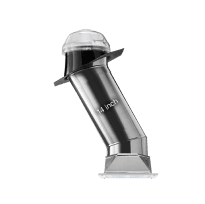
 Tubular Skylights
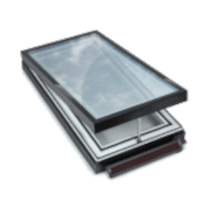 HSE Skylights
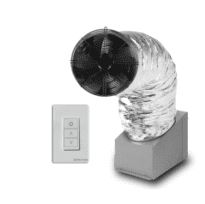 Whole House Fans
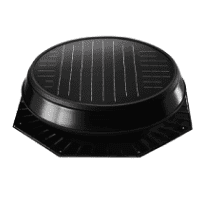 Solar Attic Fans
 Garage Fans
How daylight steadies mood, lowers stress, and eases anxiety
The link between natural light and how we feel is not incidental; it is biological, shaping the chemistry of mood, stress, and recovery.
How to Create a Happer Home with Natural Daylight
Designing Healthier Workplaces with Natural Daylight
When buildings fail to provide adequate natural light, the people inside them feel it, in their mood, their stress, and their capacity to recover.
01 · Mood
Serotonin, the brain’s primary mood-stabilizing chemical, is produced in greater quantities in response to bright light exposure. Studies show a statistically significant relationship between sunlight exposure and positive mental health scores, confirming that access to daylight is not just pleasant but psychologically necessary.1,3
Beyond the neurochemistry, natural light satisfies a deeper human need: connection to the natural world. People in daylit spaces consistently report greater psychological comfort and a higher sense of well-being than those in artificially lit environments.2
02 · Stress & Anxiety
In a Cornell University study, daylit workspaces measurably eased the body's stress load.4
drop in eyestrain
fewer headaches
less drowsiness
These are among the most common physical expressions of chronic stress. Natural morning light also anchors the body’s cortisol rhythm, supporting the kind of steady, even energy that makes people more resilient and less reactive throughout the day.
03 · Mental Restoration
“Natural environments and natural light are uniquely restorative; even brief exposure lets the brain’s directed attention recover, reducing mental fatigue throughout the day.”6
Attention Restoration Theory
Rachel & Stephen Kaplan, environmental psychologists
04 · Seasonal Depression (SAD)
Seasonal Affective Disorder is caused by insufficient light exposure, which disrupts the circadian rhythm and reduces serotonin activity. Maximizing natural daylight, particularly through interior spaces that standard windows cannot reach, is one of the most effective ways to soften seasonal mood changes.7,8
of U.S. adults affected by SAD8
more experience a milder seasonal low9
05 · FAQs
How does natural light improve mood?
Natural light plays an important role in supporting emotional well-being. Research has shown that regular exposure to daylight is associated with improved mood, higher energy levels, and greater daytime alertness. Daylight also helps regulate biological processes that influence mood, including the production of serotonin and the body's internal clock, making access to natural light an important part of healthy building design.
Can the lighting in a building contribute to stress and anxiety?
Yes. The quality and availability of light can influence how comfortable and restorative a space feels. Research suggests that limited access to natural daylight, excessive glare, or poorly designed lighting may contribute to stress, fatigue, and reduced well-being. Buildings that maximize access to natural daylight while minimizing glare can create more comfortable environments for occupants.
Can natural daylight improve mental well-being?
Research has consistently found that access to natural daylight is associated with improved mood, reduced stress, greater daytime alertness, and higher overall well-being. While daylight is not a treatment for mental health conditions, increasing access to natural light is widely recognized as an important element of healthy homes, workplaces, schools, and healthcare environments.
Is natural daylight better than artificial lighting for supporting mood?
Natural daylight remains the reference standard for healthy lighting because it changes in intensity and color throughout the day, providing biological cues that electric lighting cannot fully replicate. While today's LED lighting has improved significantly and can support visual comfort, access to natural daylight has consistently been associated with better mood, greater daytime alertness, and improved overall well-being.
Do windows provide enough natural daylight to support mental well-being?
Windows provide valuable access to daylight, but the amount of natural light entering a space depends on factors such as building orientation, time of day, season, and distance from the window. Interior rooms and deep floor plans often receive little daylight. High-performance tubular daylighting systems can extend natural daylight into these spaces, increasing access to daylight in areas where traditional windows are not practical.
How to Create a Happer Home with Natural Daylight
Designing Healthier Workplaces with Natural Daylight
Explore more of the Human Benefits Hub
References
- 1. Wirz-Justice et al. (2021). The relevance of daylight for humans. Biochemical Pharmacology, 191, 114304.
- 2. Kaplan (1995). The restorative benefits of nature: toward an integrative framework. Journal of Environmental Psychology, 15(3), 169–182.
- 3. Geoffroy et al. (2019). Bright light as a personalized treatment of mood disorders. Frontiers in Psychiatry, 10, 85.
- 4. Hedge (2018). Workplace daylight study conducted for View Inc., Cornell University Human Factors and Ergonomics Laboratory. Industry-sponsored field study of electrochromic-window offices; symptom reductions were self-reported.
- 5. Brown et al. (2022). Recommendations for daytime, evening, and nighttime indoor light exposure. PLOS Biology, 20(3), e3001571.
- 6. Kaplan & Kaplan (1989). The Experience of Nature: A Psychological Perspective. Cambridge University Press. Theory source; the original sentence was a paraphrase, not a verified quotation.
- 7. Golden et al. (2005). Efficacy of light therapy in mood disorders: review and meta-analysis. American Journal of Psychiatry, 162(4), 656–662.
- 8. Wang et al. (2025). Global prevalence of seasonal affective disorder by latitude: systematic review and meta-analysis. Journal of Affective Disorders. Pooled estimates: 5.01% for SAD and 9.37% for subsyndromal SAD.
- 9. American Academy of Family Physicians (1998). Seasonal Affective Disorders. American Family Physician, 57(6), 1340–1346.