
Designing Healthier Workplaces with Natural Daylight

A Solatube Commercial Guide
In the modern built environment, employee well-being is no longer just a human resources initiative; it is a design imperative. The physical environment in which people work profoundly impacts their stress levels, mood, and overall health. Among all the design elements available to architects and facility managers, natural daylight is perhaps the most powerful tool for creating a healthier workplace – and Solatube tubular daylighting devices are among the most effective means of delivering it. This guide outlines five practical strategies for using natural daylight to design workspaces that support mental well-being, reduce stress, and foster a positive organizational culture.
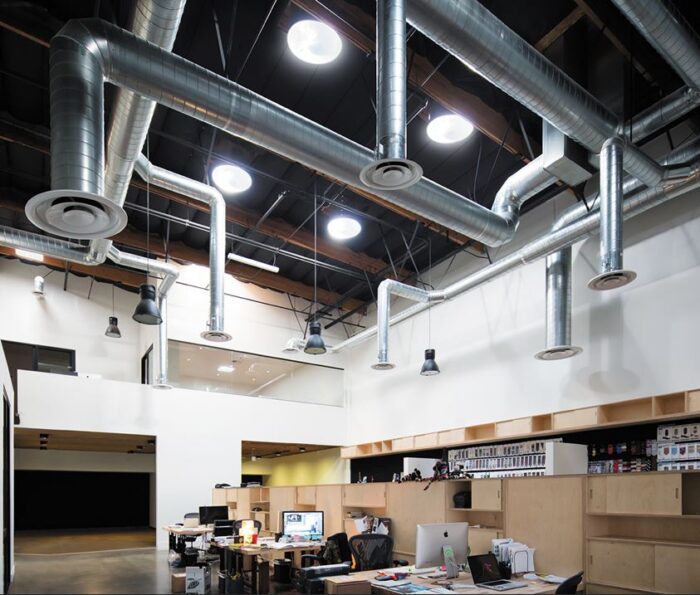
1. Democratize Daylight Across the Entire Floor Plate
Historically, access to natural light in commercial buildings was a privilege reserved for perimeter offices, while the majority of the workforce sat in windowless interior spaces under fluorescent lights. Research consistently shows that employees without access to natural daylight report higher stress, worse sleep, and lower overall well-being than those with window access.
The Strategy: Design open-plan layouts that place workstations near the perimeter. For core areas that cannot access perimeter windows – interior offices, central corridors, conference rooms, and break rooms – Solatube Tubular Daylighting Devices (TDDs) are the most practical and cost-effective solution. Solatube TDDs capture sunlight at the roof level and deliver it as bright, diffused natural light to any interior space, regardless of its distance from the building perimeter. This ensures that every occupant, regardless of their position in the building, has access to the health and performance benefits of natural daylight.

2. Mitigate Stress Through Diffused, Glare-Free Light
While daylight is essential, poorly managed sunlight can cause severe glare on screens, leading to eyestrain, tension headaches, and psychological stress. The goal is not simply more light, it is better light.
The Strategy: Prioritize diffused daylighting throughout the workplace. Solatube TDDs are engineered with advanced optical diffuser technology that scatters incoming sunlight evenly across the room, eliminating the harsh bright spots of direct sunlight and the deep shadows that cause visual fatigue. Unlike conventional skylights, which can introduce glare and heat gain, Solatube tubular daylighting systems are designed to deliver comfortable, consistent natural light throughout the day, creating a workspace that feels bright and airy without the visual stress that undermines well-being.

3. Support the Biological Clock with Dynamic Natural Light
The human body relies on the dynamic changes in natural light – the bright, blue-rich light of morning and the softer, warmer light of evening – to regulate its circadian rhythm. Artificial lighting that remains static all day disrupts this internal clock, leading to afternoon fatigue, poor sleep, and reduced resilience.
The Strategy: Maximize the use of natural daylight as the primary light source, allowing its natural variation in intensity and color temperature to guide the occupants’ biological rhythms throughout the day. Solatube TDDs deliver this dynamic natural light deep into the building core, ensuring that even interior spaces benefit from the circadian-regulating properties of sunlight. Where artificial light supplements natural daylight, specify tunable LED systems that mimic the progression from cool morning light to warm afternoon light.
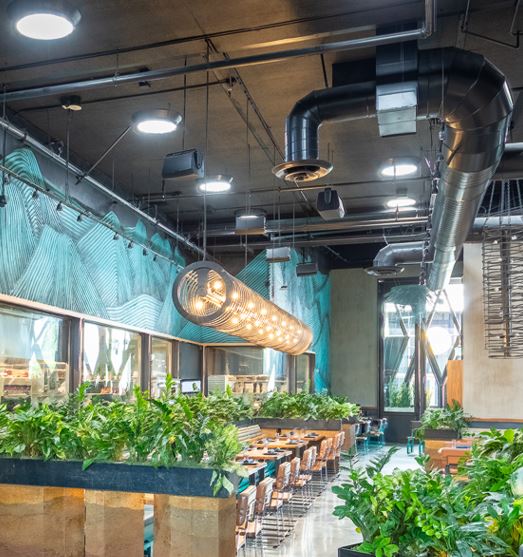
4. Create Restorative Break Areas
Employees need spaces where they can step away from their desks and mentally recharge. A break room in a dark, interior location is unlikely to provide meaningful psychological restoration and may actually add to occupant stress.
The Strategy: Prioritize daylight in communal and restorative spaces. Break rooms, cafeterias, and lounge areas should be among the brightest, most naturally lit spaces in the building. Solatube tubular daylighting devices are an excellent solution for these spaces, delivering abundant natural light to rooms that are often located deep within the building core. Pair Solatube natural light with biophilic elements – indoor plants, natural materials, and views of the outdoors – to create restorative environments that genuinely support employee mental health and reduce workplace stress.

5. Design for Neurodiversity
A healthy workplace must be inclusive of all employees, including those who are neurodivergent. Individuals with autism or ADHD often experience sensory sensitivities that make them particularly affected by harsh or flickering artificial lighting.
The Strategy: Solatube tubular daylighting provides the most sensory-friendly lighting available for commercial spaces. Because Solatube TDDs deliver diffused, full-spectrum natural light without the perceptible flicker associated with fluorescent fixtures, they create a calm, consistent visual environment that is comfortable for neurodivergent employees. Pair Solatube daylighting with individual or zone-level dimming controls so employees can adjust light levels to suit their personal sensory needs, creating a workplace that is inclusive, supportive, and welcoming for every member of the team.
A healthier workplace is a brighter workplace.
By integrating Solatube tubular daylighting throughout the building — from perimeter workstations to interior conference rooms and break areas — organizations can create environments where employees feel less stressed, more engaged, and genuinely supported in their well-being.