
 29" Skyvault Series
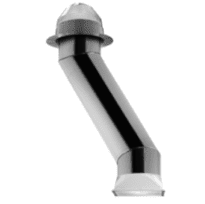 14"/21" SolaMaster Series
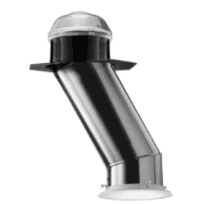 10"/14" Brighten Up Series
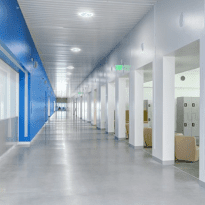 Vertical Markets & Case Studies
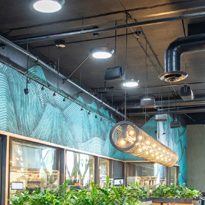 Lunch & Learn
 Modular Buildings
The human benefits of natural daylight
Explore the science of how daylight shapes the way we sleep, feel, and think, across three areas of human health.1
Sleep & Circadian Rhythm
Better Sleep Starts with Better Daylight
Most people know that what they do at night affects how well they sleep. Fewer realize that daytime exposure to natural daylight may matter even more. The body runs on a 24-hour clock that depends on light to stay synchronized, and when buildings fail to deliver enough daylight, that clock drifts.1
Natural daylight is the most powerful tool we have for keeping the body’s clock on time. Solatube tubular daylighting devices bring that daylight into every room that needs it, including spaces conventional windows cannot reach.1
Sleep
How daytime light exposure sets you up for deeper, more restorative sleep at night.2
Explore Sleep & DaylightingCircadian Rhythm
Why daylight is the body’s master clock, keeping the sleep-wake cycle in sync.1
Explore Circadian Rhythm & DaylightingBetter Sleep Starts with Better Daylight
Mental Health & Well-being
Natural Daylight for Better Mental Health and Well-being
Daylight does more than illuminate a space, it influences mood, emotional well-being, and how people experience the environments around them. Research consistently shows that access to natural daylight reduces stress, lifts mood, and supports the kind of psychological comfort that helps people feel their best, at home and at work.3
The quality of light in a building is not a small detail. It is one of the most direct ways the built environment affects the people inside it.
Mood, Stress & Anxiety
How access to natural light lowers stress, steadies mood, and eases anxiety.3
Explore Mood, Stress & AnxietyAutism
Why even, glare-free daylight creates calmer, more comfortable sensory spaces.4
Explore Autism & DaylightingThe Psychology of Daylight: Supporting Mental Well-being Through Design
Learning & Cognitive Performance
How Natural Daylight Supports Learning, Focus, and Cognitive Performance
The ability to think clearly, concentrate, and perform is profoundly shaped by the physical environment, and natural
daylight is one of the most powerful and actionable variables. Research consistently shows that people in well-daylit
spaces learn faster, focus longer, make fewer errors, and feel more alert.5,6
Solatube tubular daylighting devices bring natural daylight into every space where people need to think and
perform, including the interior rooms and deep floor plates that conventional windows cannot reach.
Focus
How well-daylit rooms support sustained attention and on-task performance.5
Explore Focus & DaylightingADD / ADHD
How daytime light may help regulate attention and reduce restlessness.1
Explore ADHD & DaylightingDaylighting, Attention and Cognitive Performance
References
Numbered sources correspond to the superscript markers in the page copy. Study-design limitations are noted where they materially affect interpretation.
- 1. Brown et al. (2022). Recommendations for daytime, evening, and nighttime indoor light exposure. PLOS Biology, 20(3), e3001571. Expert consensus recommendations based on circadian and neurophysiological evidence.
- 2. Boubekri et al. (2014). Impact of windows and daylight exposure on office workers’ health and sleep. Journal of Clinical Sleep Medicine, 10(6), 603–611. Observational study; association does not establish causation.
- 3. Wirz-Justice et al. (2021). The relevance of daylight for humans. Biochemical Pharmacology, 191, 114304. Narrative review of daylight, circadian function, sleep, mood, and cognition.
- 4. Zaikina et al. (2026; published online 2025). Indoor lighting and color effects on persons with ASD: a systematic review. HERD, 19(1), 224–236. Review found a small, largely descriptive evidence base.
- 5. Didikoglu et al. (2025). Relationships between light exposure and aspects of cognitive function in everyday life. Communications Psychology, 5, 4. Observational study of 58 adults.
- 6. Heschong Mahone Group (1999). Daylighting in Schools. Report for Pacific Gas and Electric Company. Large observational analysis; findings varied by district and were not causal.