
 29" Skyvault Series
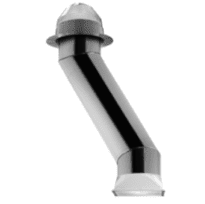 14"/21" SolaMaster Series
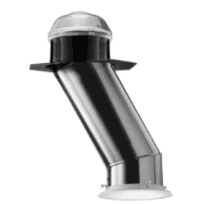 10"/14" Brighten Up Series
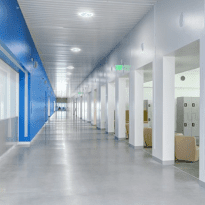 Vertical Markets & Case Studies
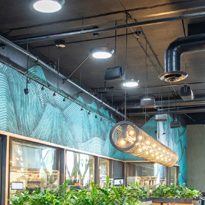 Lunch & Learn
 Modular Buildings
Daylighting for Autism-Friendly Environments
For individuals with autism, the lighting environment is not a background detail - it is a direct sensory experience. Between 69 and 96 percent of autistic individuals experience some form of atypical sensory processing, and visual hypersensitivity is among the most common.1,2
Creating a More Autism-Friendly Home with Natural Daylight
Designing for Different Minds: The Role of Light in Neuroinclusive Spaces
For individuals with autism, natural daylight can help create calmer, more comfortable and supportive environments.3
01 · Sensory Comfort
Natural daylight is widely recognized as the most comfortable and preferred light source for individuals with sensory sensitivities.3,4
Unlike artificial lighting, which may flicker, buzz, and produce an uneven spectral output – diffused natural daylight is smooth, full-spectrum, and free from the visual noise that triggers sensory overload. A 2025 systematic literature review confirmed that lighting design significantly impacts the behavior, information processing, and overall well-being of autistic individuals.3
The key is diffusion. Direct sunlight can create harsh glare and high-contrast shadows that are overwhelming. Tubular daylighting devices (TDDs) like Solatube capture sunlight at the roof and deliver it through a diffuser as soft, even, glare-free natural light, providing all the biological benefits of daylight without the sensory challenges.3,4
02 · Circadian Support
Sleep disturbances affect an estimated 50 to 80 percent of autistic individuals.5
Autistic individuals frequently exhibit delayed melatonin onset, making it harder to fall asleep at a conventional time and wake up in the morning. Exposure to bright natural light during the day, particularly in the morning, is one of the most effective non-pharmacological ways to support healthier sleep-wake cycles.5,6
of autistic individuals experience some form of atypical sensory processing1
are affected by sleep disturbances, with disrupted circadian rhythms a significant contributing factor5
03 · Routine and Predictability
The natural progression of daylight from morning to evening can serve as a gentle, non-verbal environmental cue that helps anchor daily routines.4
For autistic individuals who rely on predictability and structure, a consistent, daylit environment supports smoother transitions between activities and reduces the anxiety that often accompanies unexpected change.4
04 · Neuroinclusive Design
Spaces that minimize sensory stressors are calmer, more focused, and more welcoming.3,4
Designing for autism is not a niche specialty, it is good design for everyone. The principles that make a space more comfortable for autistic individuals – diffused light, even distribution, glare control, and circadian support – create better environments for all occupants.3,4
05 · FAQs
Why is lighting important for individuals with autism?
Many autistic individuals experience sensory sensitivities that can make lighting an important part of their daily environment. Harsh glare, excessive brightness, flicker, or high visual contrast may contribute to sensory discomfort for some people. A well-designed lighting environment that emphasizes comfortable, evenly distributed light can help create calmer, more supportive spaces at home, in schools, and in healthcare settings.
What makes a lighting environment autism-friendly?
Autism-friendly lighting prioritizes visual comfort, consistent illumination, and reduced sensory distractions. Features such as evenly distributed daylight, minimal glare, reduced harsh shadows, and good color rendering can help create calmer, more predictable environments. While every individual has unique sensory preferences, lighting that supports visual comfort can benefit a wide range of occupants.
Why is diffused natural daylight beneficial in autism-friendly spaces?
Diffused natural daylight provides comfortable illumination without the harsh glare and high-contrast shadows that can occur with direct sunlight or some electric lighting. Evenly distributed daylight can create calmer visual environments in classrooms, therapy spaces, healthcare facilities, and homes. High-performance tubular daylighting systems help bring this type of daylight into interior spaces while minimizing glare.
Can natural daylight support sleep and daily routines for autistic individuals?
Many autistic individuals experience challenges with sleep and maintaining regular daily routines. Natural daylight helps regulate the body's circadian rhythm, supporting healthy sleep-wake cycles and daytime alertness. Increasing access to daylight during the day may help support consistent daily routines and overall well-being.
Can improving lighting at home make a difference for an autistic child?
Lighting is one of several environmental factors families can adjust to create more comfortable spaces for autistic children. Replacing harsh or glaring lighting with soft, evenly distributed daylight may help reduce visual overstimulation in bedrooms, playrooms, and study areas. Tubular daylighting systems can also bring natural daylight into interior rooms where traditional windows are not practical.
Creating a More Autism-Friendly Home with Natural Daylight
Arizona Autism Center Case Study
Explore more of the Human Benefits Hub
References
Numbered sources correspond to the superscript markers in the page copy. Study-design limitations are noted where they materially affect interpretation.
- 1. Ríos Llamas et al. (2026). Light and sound hypersensitivity in autism spectrum disorder: systematic review. Frontiers in Psychiatry. Review estimate: approximately 70–90%.
- 2. Ben-Sasson et al. (2009). Sensory modulation symptoms in autism spectrum disorders: meta-analysis. Journal of Autism and Developmental Disorders, 39(1), 1–11.
- 3. Zaikina et al. (2026; published online 2025). Indoor lighting and color effects on persons with ASD: a systematic review. HERD, 19(1), 224–236. Only seven eligible studies; most evidence was descriptive or exploratory.
- 4. Black et al. (2022). Considerations of the built environment for autistic individuals: a review. Autism, 26(8), 1904–1915.
- 5. Karavasilis & Statiri (2023). Sleep and attention, executive function, and processing speed in children with autism: systematic review. Psychiatriki, 34(1), 52–65. Published estimates largely concern children and adolescents.
- 6. Brown et al. (2022). Recommendations for daytime, evening, and nighttime indoor light exposure. PLOS Biology, 20(3), e3001571. General human circadian evidence, not an autism-specific intervention study.