
Why Daylighting Should Be Considered Early in the Design Process
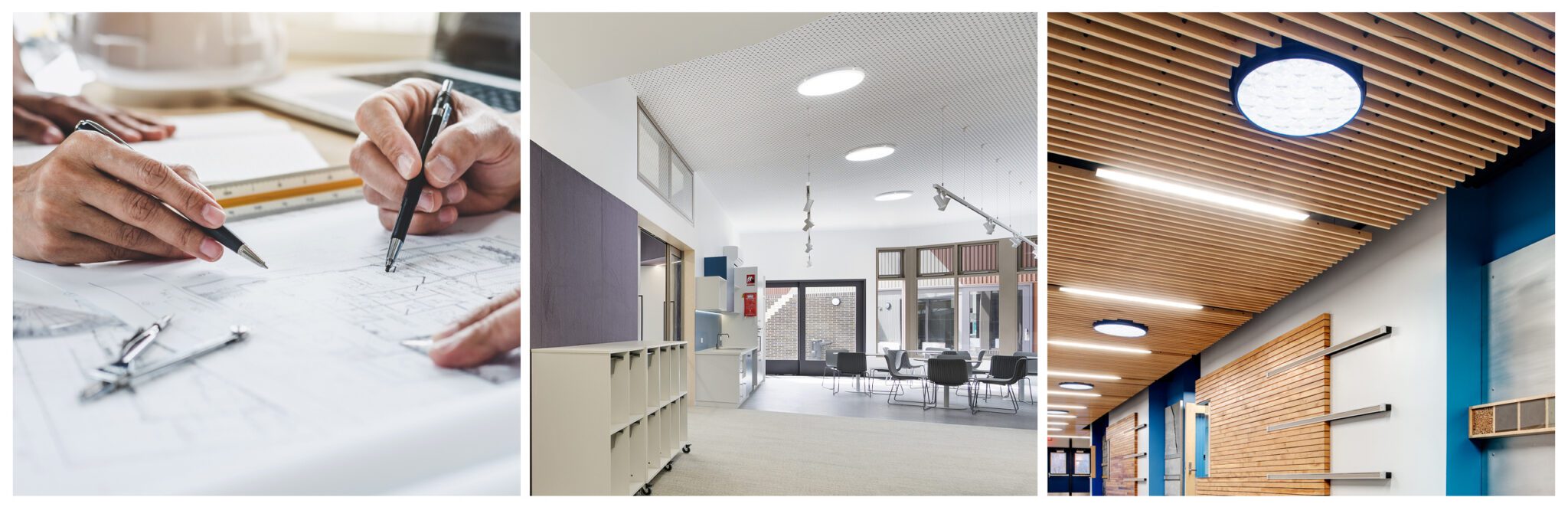
As architects strive to create buildings that support occupant well-being, energy efficiency and sustainability goals, daylighting has become an increasingly important design strategy. Yet many opportunities to maximize natural daylight are missed because they are considered too late in the design process.
When daylighting is incorporated early, design teams can identify opportunities to improve occupant experience, reduce reliance on electric lighting and bring natural light into spaces that might otherwise remain disconnected from the outdoors.
Not All Daylighting Solutions Solve the Same Challenge
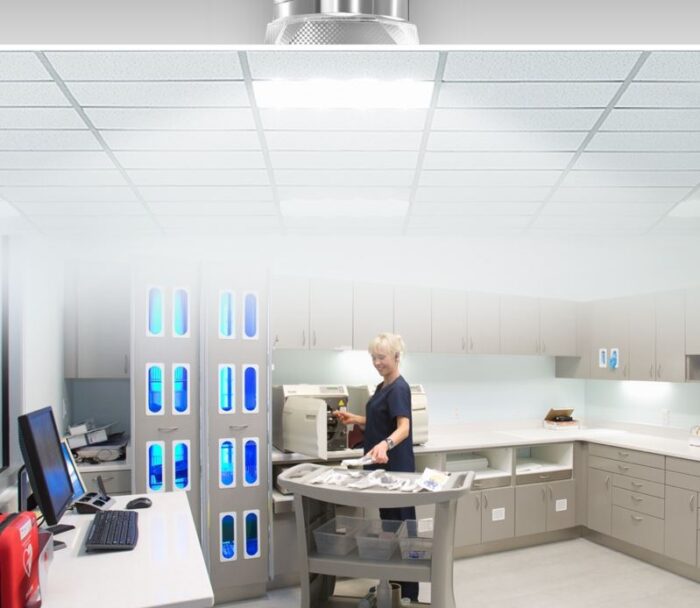
Windows and skylights play an important role in daylighting design, but they are not always the best solution for every space. Many buildings include interior corridors, restrooms, offices, and support areas that are located far from exterior walls or where traditional skylights may not be practical.
This is where tubular daylighting systems offer a unique advantage. Solatube Tubular Daylighting Devices (TDDs) capture daylight at the rooftop and transfer it through highly reflective tubing to spaces below. This allows architects to deliver natural daylight deep into buildings, helping illuminate areas that often rely entirely on electric lighting.
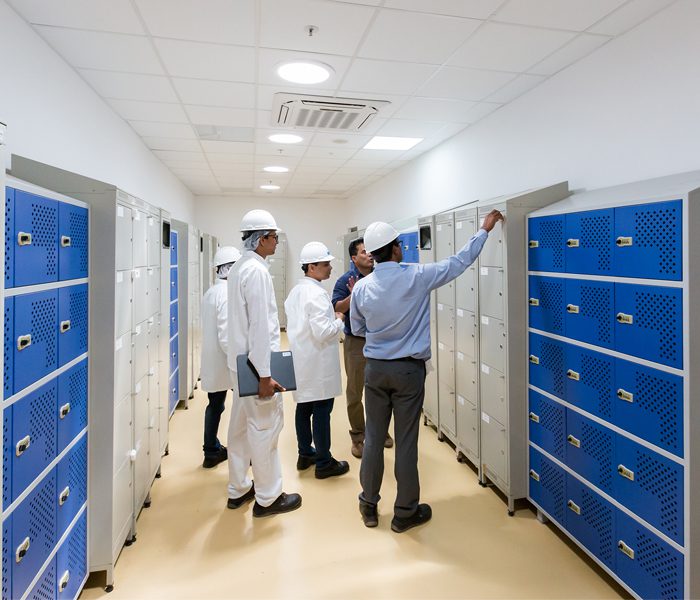
Common applications include:
- Interior corridors and circulation spaces
- Restrooms and locker rooms
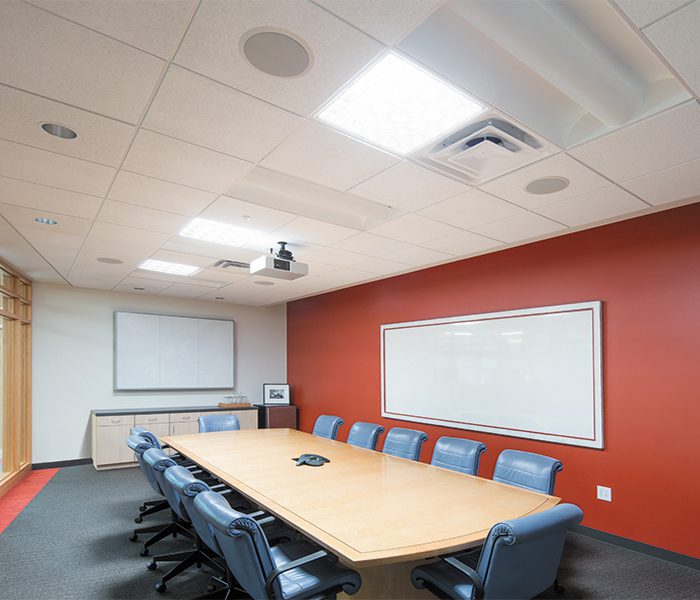
- Offices and meeting rooms
- Educational facilities
- Healthcare environments
- Retail and commercial spaces
By evaluating daylighting opportunities early in the design process, architects can often improve the quality and functionality of more spaces throughout the building.
The Growing Focus on Human-Centric Design
Today, building performance is about more than energy savings. Designers are increasingly focused on creating spaces that support the people who occupy them every day.
Natural daylight is a key component of human-centric design. Bright, naturally lit spaces are often perceived as more welcoming, comfortable, and engaging. As a result, architects are looking beyond perimeter offices and public spaces to introduce daylight into interior environments as well. Extending daylight deeper into buildings can help create a more consistent occupant experience while supporting broader design and sustainability objectives.
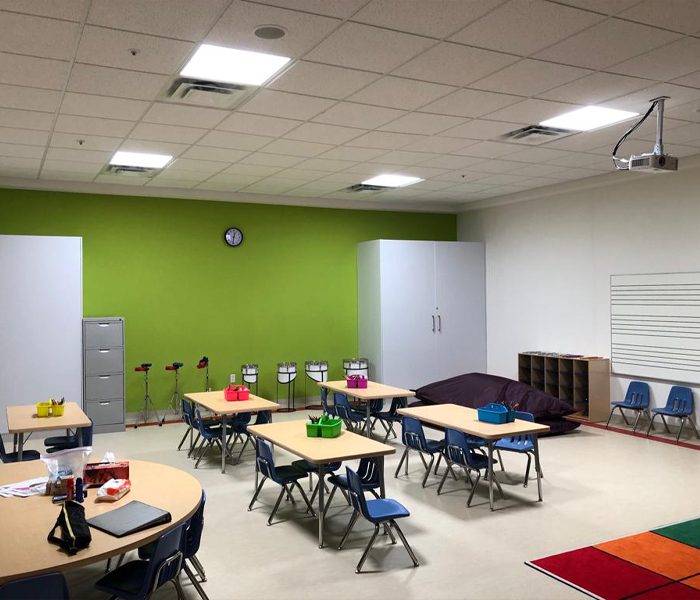
A New Resource for Daylighting Design
To help architects and designers better understand daylighting strategies and solutions, Kingspan Light + Air has developed the Daylighting Hub and accompanying eBook, The Benefits of Daylighting in Architectural Design.
The Daylighting Hub serves as a centralized resource featuring:
- Daylighting research and insights
- Design best practices
- Building performance considerations
- Sustainability resources
- Project inspiration across multiple market sectors
Many of the resources in the hub explore how Solatube tubular daylighting systems can help address common daylighting challenges, particularly in interior spaces where traditional windows and skylights may be ineffective.
Explore the Daylighting Hub
Successful daylighting design starts with understanding the opportunities available within a project. The earlier those opportunities are identified, the greater the potential impact on occupant experience, energy performance, and overall building quality.
Whether you’re designing a new facility, renovating an existing building, or simply exploring daylighting strategies, the Kingspan Light + Air Daylighting Hub offers valuable resources to support your design process.
Explore the Daylighting Hub and download the free eBook, The Benefits of Daylighting in Architectural Design, to learn how daylighting can help create brighter, more sustainable and higher-performing buildings.