
The Daytime Habits Behind a Better Night’s Sleep
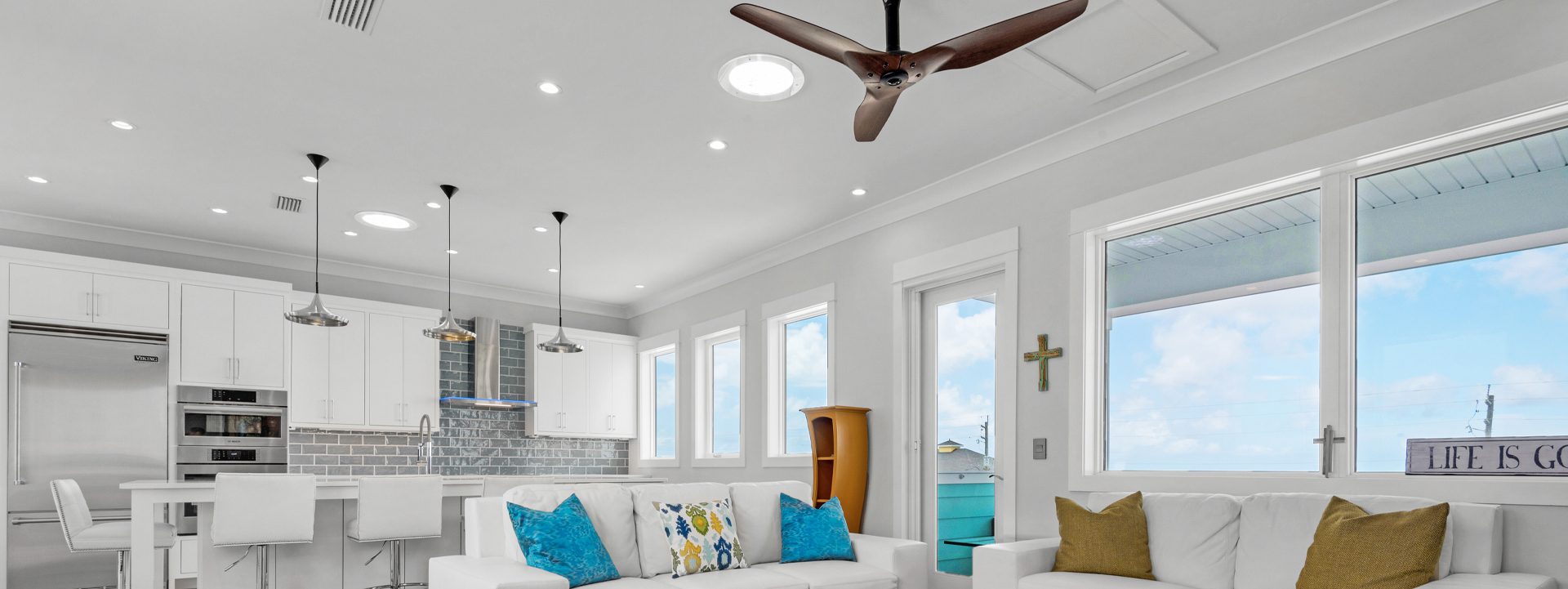
Everyday routines and the light in your home can influence nighttime rest.
When it comes to better sleep, most of us focus on our bedtime routines: putting away our phones, adjusting the thermostat, or winding down before turning out the lights. But what if one of the keys to better sleep has less to do with what you do before bed and more to do with how you spend your day? From morning coffee to hours spent working or relaxing indoors, everyday routines shape how much natural daylight we experience. And that daytime exposure can help support the body’s sleep-wake patterns later that night.
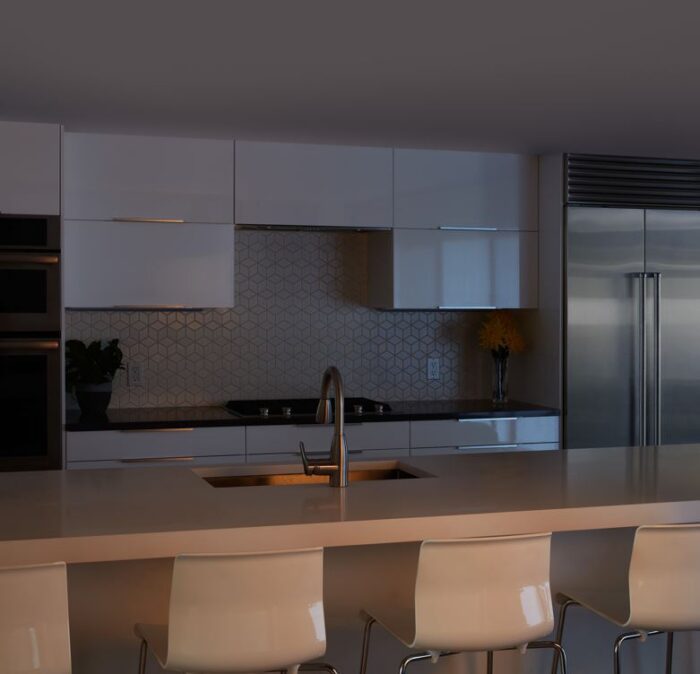
A Day Indoors Can Be Surprisingly Low in Daylight
Think about a typical weekday. You get ready in a bathroom with little natural light, eat breakfast in the kitchen, then settle into a home office or another indoor space. By evening, you may have spent most of your waking hours inside—even if the day outside was sunny.
The issue isn’t necessarily that a room feels dark. A space can be bright enough to work, read, or cook in while still providing far less light than you get outdoors. This difference matters because light helps the brain recognize daytime and maintain regular sleep-wake timing.
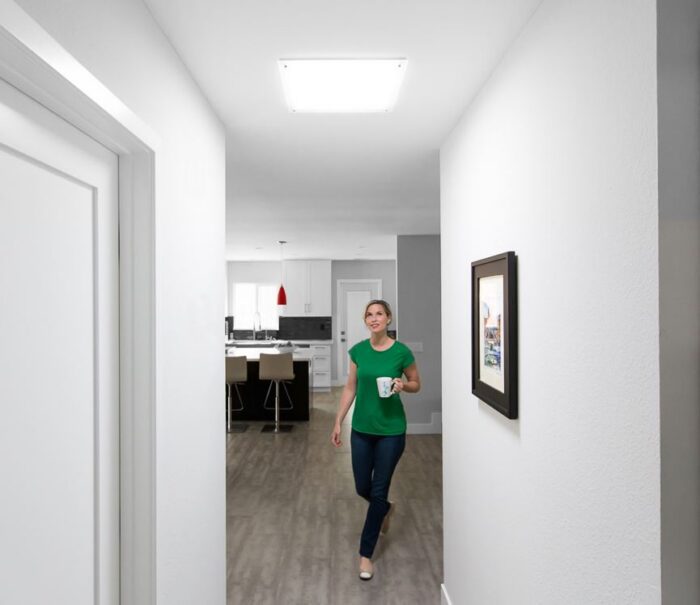
Notice Where Your Day Actually Happens
A sun-filled living room may look inviting, but it contributes little to your daytime light exposure if you spend most of the day elsewhere. The more useful question is: Which spaces do you occupy for hours at a time?
Consider your breakfast spot, home workspace, kitchen, or favorite reading area. Daylight access in frequently used rooms can create more opportunities for meaningful exposure as part of your existing routine—not just during a special morning ritual.

Make Daylight Part of Everyday Activities
Instead of adding another complicated habit, look for ways to pair natural light with activities you already do. Have your morning coffee in a daylit space, take a phone call outdoors, or choose a brighter place to work when possible.
Outdoor light generally provides a stronger daytime signal than indoor light, including on cloudy days. Daylit interiors can complement those outdoor opportunities, especially when your schedule keeps you at home for long stretches.
When Your Home Limits Daylight Access
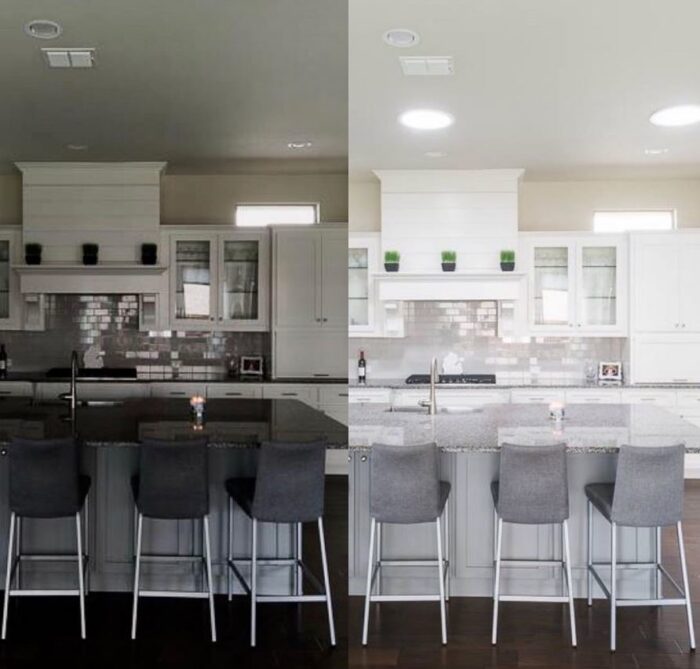
Some rooms receive little natural light because of their location, neighboring buildings, small windows, or the layout of the home. In these cases, thoughtful design can help make daylight more accessible during the hours you spend indoors.
Windows and skylights are useful options where practical. When adding them is not feasible, Solatube Tubular Daylighting Devices offer a relatively quick, straightforward retrofit option for many existing homes. By channeling roof-collected daylight through highly reflective tubing, they can brighten interior rooms that otherwise rely heavily on electric lighting during the day, often with minimal disruption.
No daylighting product guarantees better sleep, and indoor daylight is not a substitute for outdoor exposure. But improving access to natural light can be one part of creating a home that better supports healthy daily routines.

Better Nights Begin With Your Day
Sleep health is shaped by many factors, including regular schedules, physical activity, stress, and the nighttime environment. Daytime light exposure deserves a place in that conversation, too.
Rather than focusing only on the final hour before bed, pay attention to the spaces and routines that fill your waking hours. Small changes in where and how you spend your day can help make natural daylight a more consistent part of everyday life.
EXPLORE MORE
For practical lighting recommendations, see “7 Ways to Improve Your Home’s Circadian Lighting Environment.” For a deeper look at the science, read “Better Sleep Starts with Better Daylight” in the Human Benefits Hub.
Selected research: Nagare et al. (2021), International Journal of Environmental Research and Public Health, 18(19), 9980; Blume et al. (2019), Somnologie, 23, 147–156.