
How Daylighting Improved Animal and Staff Experiences at Lakes Veterinary Hospital

After a three-decade career in veterinary medical research within the University of California system, Dr. Kate Wasson was ready for a new chapter. In 2020, she and her husband, Donald Clark, purchased Lakes Veterinary Hospital in Battle Lake, Minnesota, with a vision of creating a modern facility that would better serve patients, clients, and staff. Rather than continue operating out of the hospital’s longtime building, Dr. Wasson invested in a new facility that more than doubled the available footprint. The expanded hospital created space for improved workflow, enhanced services, and a better day-to-day experience for employees. From the beginning, one goal remained constant: the building needed to feel bright, welcoming, and filled with natural light.
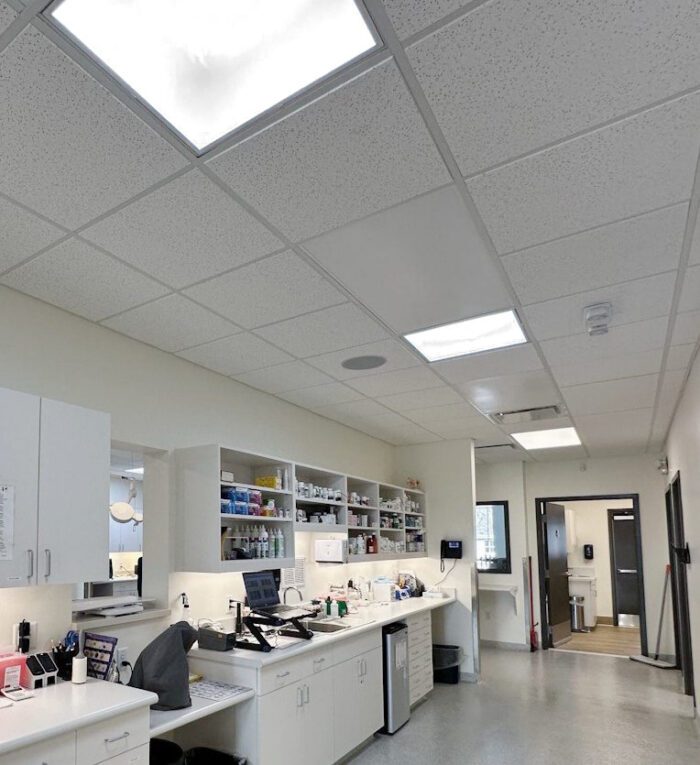
Creating a Brighter Veterinary Facility
As the design process began, daylighting quickly emerged as a priority. While perimeter windows could provide natural daylight and outdoor views to exterior rooms, bringing daylight into the core of the building presented a challenge.
As the project evolved, the team at Daylight Specialists helped identify an opportunity to simplify the daylighting strategy while maintaining the original design goals. The revised approach preserved access to natural light throughout the facility while supporting the project’s overall budget objectives.
To support the design vision, the project team explored daylighting solutions that could deliver natural light throughout the facility while remaining practical and cost-effective. Tubular daylighting devices emerged as an effective option for bringing daylight into interior spaces that would otherwise have limited access to natural light.
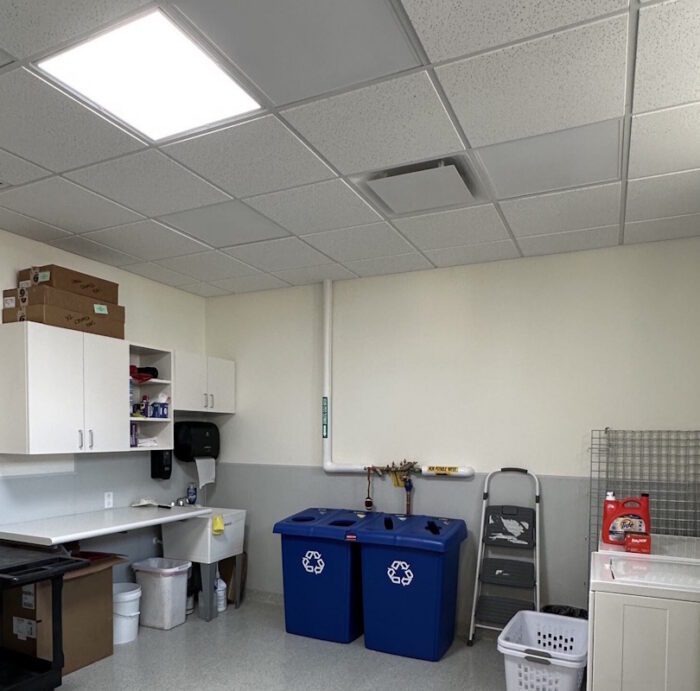
Bringing Daylight Deeper Into the Building
The project team incorporated tubular daylighting systems to bring natural daylight into interior spaces beyond the reach of traditional windows.
Unlike conventional windows, tubular daylighting systems capture daylight at the roof and transfer it into interior spaces below. This allows facilities to introduce natural light into areas located far from exterior walls.
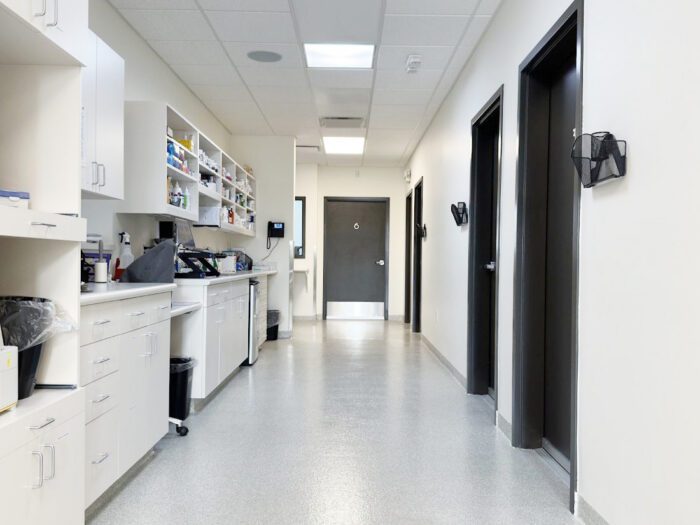
The systems were installed throughout key interior spaces across the hospital, helping distribute daylight beyond the building perimeter and creating a brighter indoor environment for staff, visitors and patients.
Want to learn more about the daylighting strategy, design decisions and project outcomes? View the complete Lakes Veterinary Hospital case study.
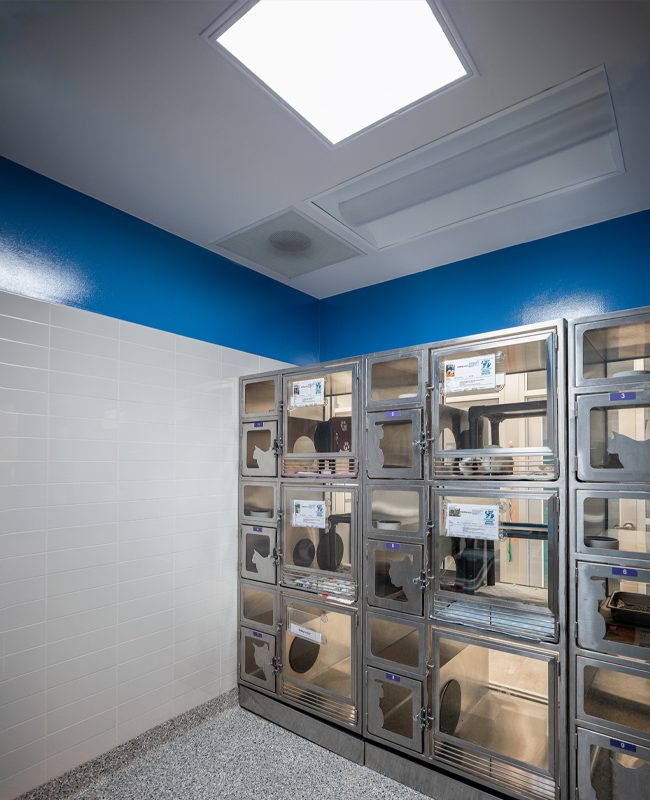
How Natural Daylight Supports Animal Well-Being
While much of the conversation around daylighting focuses on human occupants, animals can benefit from natural light as well.
Exposure to natural daylight helps support healthy circadian rhythms, which influence sleep-wake cycles, behavior and overall well-being. Research shows that light plays an important role in regulating biological functions across many animal species.
In animal care settings, access to daylight can help create environments that feel more natural and less stressful than spaces illuminated exclusively by artificial lighting. Natural light may also help create calmer, more comfortable surroundings for animals during veterinary visits, recovery periods and temporary stays in care facilities.
As highlighted in Solatube’s article on animal care environments, daylighting has been successfully incorporated into spaces ranging from veterinary clinics and animal shelters to zoos and wildlife facilities, helping create healthier and more comfortable environments for both animals and caregivers.
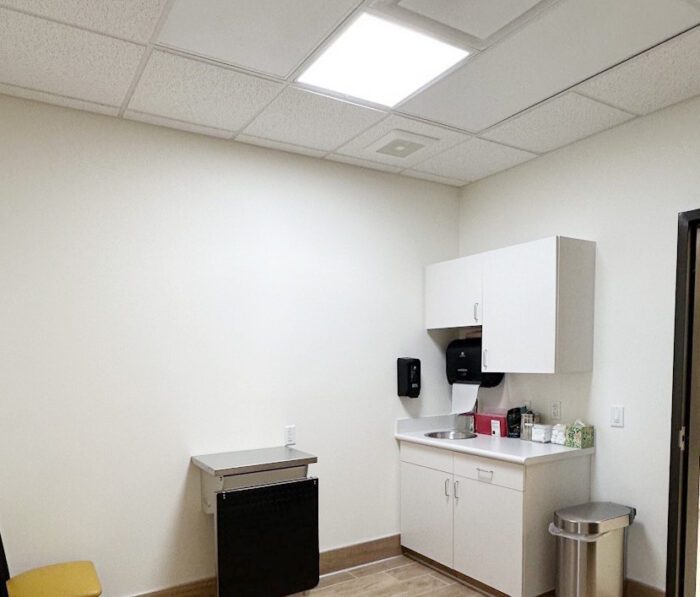
Benefits Beyond the Patients
The benefits of daylighting extend beyond the animals receiving care.
Veterinarians, technicians and support staff spend long hours performing detailed work that requires focus and accuracy. Natural daylight can help improve visual comfort while creating a more pleasant workplace environment.
Pet owners also benefit from brighter, naturally lit spaces. Waiting rooms, exam areas and common spaces often feel more welcoming and less clinical when illuminated by daylight, helping create a positive experience during what can sometimes be stressful visits.
A Sustainable Solution for Veterinary Facility Design
In addition to improving occupant comfort, daylighting can help support broader building performance goals.
Reducing dependence on electric lighting during daylight hours can help facilities lower energy consumption while creating a more pleasant indoor environment.
Veterinary facilities across the country are increasingly incorporating daylighting strategies to improve occupant comfort, support animal welfare and reduce reliance on electric lighting.
The Lasting Impact of Daylighting in Veterinary Facilities
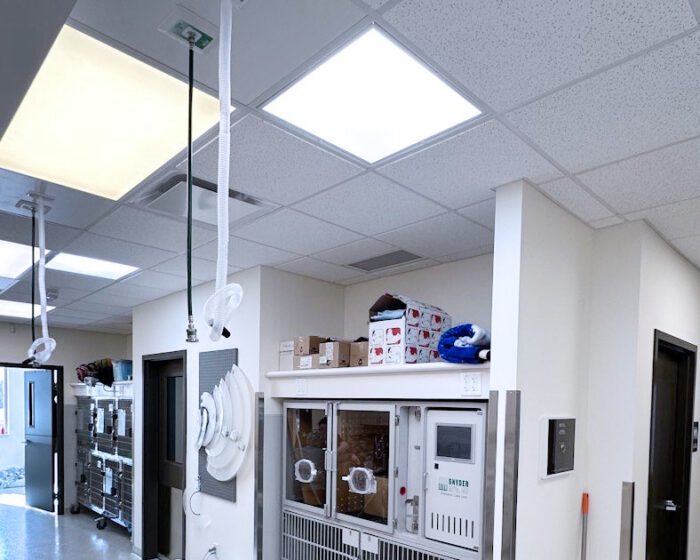
The Lakes Veterinary Hospital project illustrates how daylighting can help create brighter, more welcoming veterinary environments for animals, staff, and visitors while supporting broader sustainability goals.
The image shown here highlights the visual difference between natural daylight and traditional artificial lighting, demonstrating how daylight can improve color rendition, brighten interior spaces, and create a more comfortable environment.
When asked whether she would change anything about the design, Dr. Wasson’s answer was simple:
“I would put a Solatube in every room.”
Whether incorporated into a new veterinary hospital, animal shelter or renovation project, daylighting can help create healthier, more comfortable environments for animals, staff and visitors alike.
Project by Solatube distributor Daylight Specialists