
Designing Spaces That Improve Focus with Natural Daylight

A Design Guide to Supporting Attention and Cognitive Performance
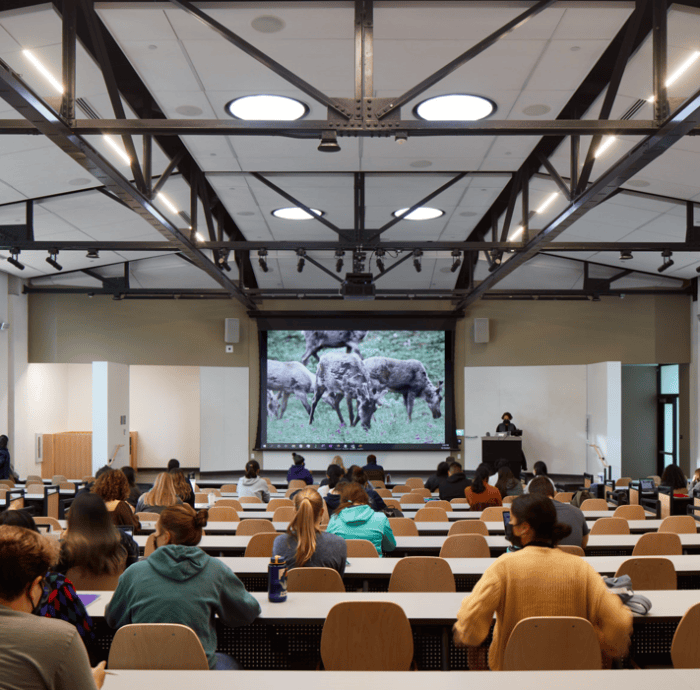
Whether in a corporate office, university library, or K–12 classroom, the ability to concentrate is fundamental to productivity and learning. The physical environment can play an important role in supporting that focus. Glare, flicker, high contrast, and uneven illumination can contribute to visual discomfort and distraction, while thoughtfully designed daylight can help create a more comfortable environment for sustained attention. By considering daylight availability, distribution, and visual comfort throughout the day, architects and designers can create spaces that better support focus and cognitive performance.
The Science of Light and Attention
Light does more than allow us to see. Light entering the eye also sends signals to the brain that influence circadian rhythms, alertness, and other physiological processes associated with our sleep-wake cycle.
Daylight is especially valuable because its intensity and spectral composition change naturally throughout the day. Exposure to sufficient daytime light can help reinforce the distinction between day and night and support daytime alertness.
At the same time, simply adding more light is not necessarily better. Poorly controlled daylight can introduce glare, excessive contrast and visual discomfort, while insufficient or uneven illumination can make visual tasks more demanding. Effective daylight design therefore considers not only how much daylight enters a space, but also how comfortably and consistently it is distributed.

1. Minimize Glare and Flicker
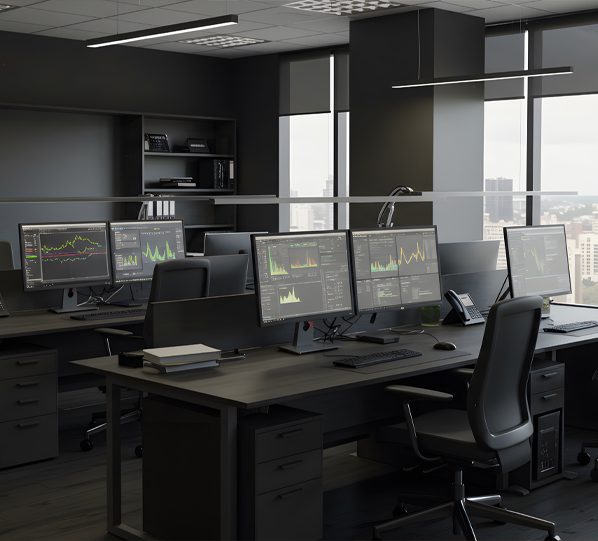
Visual comfort is an important consideration in spaces designed for sustained concentration. Glare can force the eyes to continually adapt to differences in brightness, while flicker from some electric light sources can contribute to headaches, eyestrain and distraction.
Design Strategy: Prioritize comfortable, diffuse illumination and minimize direct glare, reflections and abrupt differences in brightness. Supplemental electric lighting should use high-quality, flicker-free technology and work in coordination with available daylight.
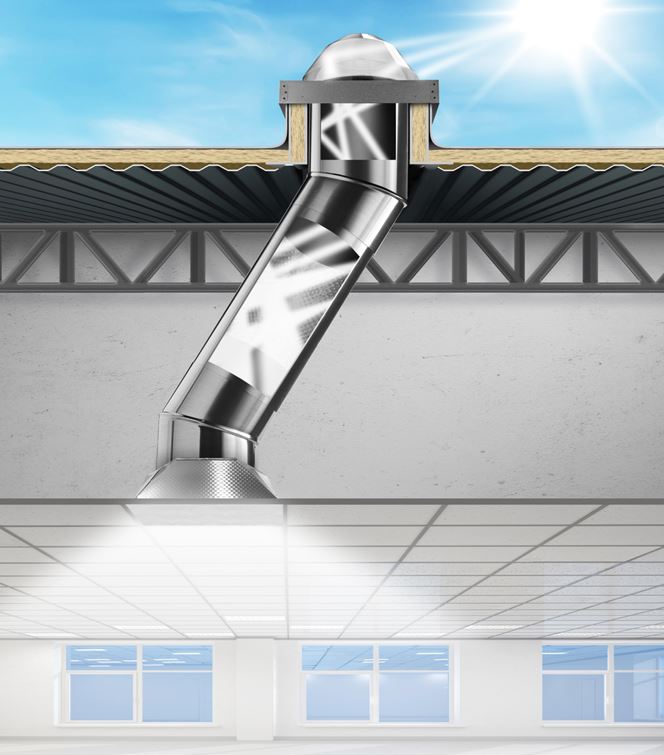
Daylighting systems that diffuse incoming sunlight can help distribute natural light more comfortably throughout a room. Tubular daylighting devices (TDDs), for example, capture daylight at the roof and redirect it to ceiling-level diffusers, providing an option for introducing natural light without relying on direct sunlight entering the occupied space.
Solatube TDDs use optical components and diffusers designed to distribute captured daylight across the interior, helping designers incorporate natural light while supporting visual comfort.
2. Create More Even Daylight Distribution
Daylight from perimeter windows can create significant differences in illumination between the edges and interior areas of a building. Spaces near windows may be brightly illuminated while areas deeper within the floor plate receive considerably less daylight.
These differences can require the visual system to repeatedly adapt as occupants shift their gaze between brighter and darker areas, potentially contributing to visual fatigue.
Design Strategy: Consider daylight as a whole-space strategy rather than relying exclusively on perimeter glazing. Combining sidelighting from windows with toplighting can help bring daylight farther into the building and create more balanced illumination across the occupied space.
TDDs can be particularly useful in interior rooms and deep floor plates where conventional windows have limited reach. By delivering daylight from the roof to ceiling level, they can complement perimeter glazing and help extend natural light into areas that might otherwise depend primarily on electric illumination.
3. Prioritize Daytime Light Exposure
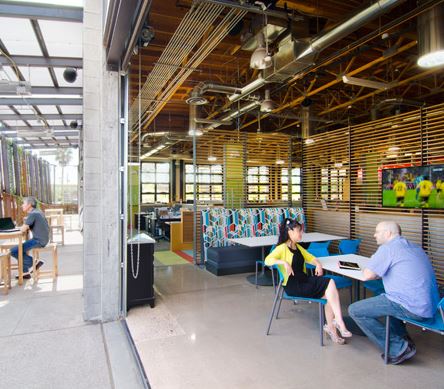
The timing of light exposure matters. Daytime light, particularly earlier in the day, provides an important environmental signal to the circadian system and can support daytime alertness and a healthy sleep-wake cycle.
This makes access to daylight especially relevant in spaces occupied throughout the day, including classrooms, offices, libraries and other learning or working environments.
Design Strategy: Look beyond daylight as simply a means of achieving target illumination levels. Consider when and where occupants are likely to receive meaningful daylight exposure throughout the day.
Building orientation, windows, skylights and other forms of toplighting can all contribute. In spaces without adequate access to perimeter daylight, TDDs provide another way to introduce natural daylight from above and extend daylight access to more occupants within the building.

4. Provide Visual Relief to Support Sustained Attention
Concentrating on demanding tasks for extended periods can lead to mental and visual fatigue. Providing opportunities for brief visual breaks can help create environments that are more comfortable for sustained work.
Views of nature can be particularly valuable. Attention Restoration Theory suggests that natural environments may provide a form of effortless attention – or “soft fascination” – that allows directed attention to recover.
Design Strategy: Whenever possible, provide occupants with views of the outdoors and opportunities to periodically shift their attention away from close visual tasks. Windows, outdoor views and access to nature should remain important considerations in spaces intended for prolonged work or learning.
Where exterior views are limited or unavailable, natural daylight can still help create a more dynamic indoor environment. Unlike static illumination, daylight naturally changes in intensity and character over the course of the day, allowing interior spaces to reflect changing outdoor conditions.
Applying These Principles with Tubular Daylighting
No single daylighting strategy is appropriate for every building. Windows, clerestories, skylights, TDDs, shading systems and electric lighting can all play complementary roles depending on the architecture, orientation and needs of the occupants.
Tubular daylighting devices can be particularly useful where traditional fenestration cannot provide sufficient daylight, including interior rooms, corridors and deep floor plates.
Solatube systems capture daylight at the roof and redirect it through highly reflective tubing to ceiling-level diffusers. This allows designers to extend natural daylight into areas that may have little or no access to perimeter windows while maintaining greater control over how the daylight enters and is distributed within the occupied space.
The goal is not simply to introduce more light. Effective daylight design considers where light comes from, when occupants receive it, how evenly it is distributed and how comfortable it is to experience.
By approaching daylight through the lens of human needs as well as illumination, architects and designers can create environments that are more visually comfortable and better suited to focused work, learning and other cognitively demanding activities.