
Designing ADHD-Friendly Learning Environments

A Design Guide to Daylighting for Supportive Learning Environments
Attention-Deficit/Hyperactivity Disorder (ADHD) – including the inattentive presentation formerly known as ADD – affects an estimated 5-7% of school-age children. Students with ADHD may experience challenges with sustained attention, distractibility, hyperactivity or restlessness, and some also experience differences in sensory processing. While educational and behavioral supports remain essential, the physical classroom environment can also influence students’ comfort, alertness, and ability to engage with learning.
Thoughtful lighting design is one part of creating a more supportive learning environment. Strategies that reduce glare and excessive contrast, provide comfortable daytime light, and give educators flexibility over lighting conditions may help create classrooms that are easier for a wide range of students to navigate. This guide explores daylighting principles that designers can consider when planning learning environments for students with ADHD.

The Sensory Experience of ADHD
Students with ADHD can be particularly sensitive to environmental distractions. Background noise, visual clutter, glare, rapidly changing light levels or noticeable flicker may compete for attention and make it harder to remain focused on a task. These experiences vary considerably from student to student, so there is no single lighting condition that will meet every learner’s needs.
A supportive classroom therefore benefits from lighting that prioritizes visual comfort, limits unnecessary sensory demands and allows conditions to be adjusted when possible. Access to daylight can be part of this approach when it is introduced thoughtfully and balanced with appropriate glare control and supplemental electric lighting.
Daylighting Strategies for ADHD-Supportive Classrooms
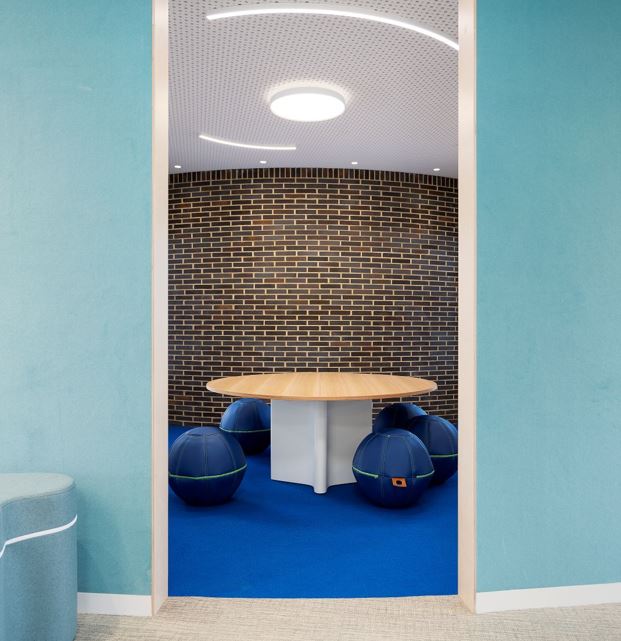
1. Create a Calmer Visual Environment with Diffused Daylight
Direct sunlight can create bright patches, strong shadows and high-contrast areas that may become visual distractions. Diffusing daylight before it enters the occupied space can help create more consistent illumination and reduce abrupt variations in brightness.
Designers can consider strategies such as window shading, light shelves, skylight diffusion and tubular daylighting devices (TDDs) to distribute daylight more evenly. The goal is not simply to maximize daylight, but to introduce it in a way that supports visual comfort and minimizes glare.

2. Support Attention Through Visual Comfort
When students must repeatedly adapt to glare, excessive brightness or uneven illumination, the visual environment itself can become an additional demand on attention. Balanced light levels and appropriate glare control can make it easier to see instructional materials, screens and work surfaces comfortably.
Consider window orientation, shading, surface reflectance, daylight distribution, and electric lighting controls together. Rather than relying on a single source, an integrated lighting approach can help maintain comfortable conditions as daylight changes throughout the school day.
Older or poorly controlled electric lighting may also contribute to visual discomfort for some occupants. When flicker is a concern, designers should evaluate the electric lighting system’s performance and select appropriate fixtures and controls.

3. Consider Daytime Light Exposure and Circadian Support
Light is an important environmental signal for the body’s circadian system, which helps regulate sleep-wake timing and daytime alertness. Exposure to sufficient light during the day – particularly earlier in the day – can support healthy circadian timing. This may be especially relevant in learning environments because sleep difficulties are commonly reported among children with ADHD.
Daylighting strategies can help increase access to daytime light in classrooms, including spaces that are far from perimeter windows. However, daylighting should be viewed as one component of a broader approach to healthy light exposure and supportive classroom design, rather than as a treatment for ADHD or sleep disorders.
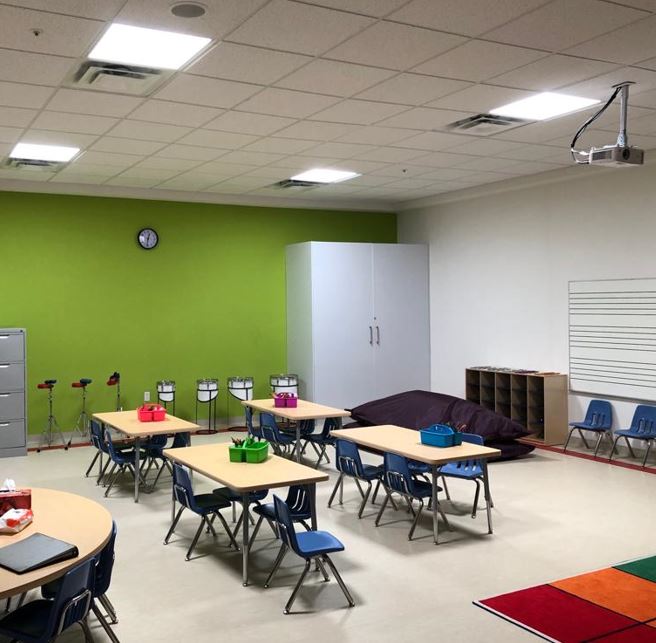
4. Create Flexible Lighting Environments
Different classroom activities may benefit from different lighting conditions. Collaborative work, independent reading, screen-based learning and quiet focus do not necessarily require the same level or distribution of light.
Where possible, designers can create zones with adjustable lighting and provide teachers with practical controls. Daylight dimming, electric-light dimming, shading and thoughtful space planning can help educators respond to different activities and individual sensory needs without eliminating the benefits of daylight.

Applying These Principles with Tubular Daylighting
Tubular daylighting devices are one design option for bringing natural daylight into classrooms, including interior areas that may have limited access to perimeter windows. By capturing daylight at the roof and distributing it through a ceiling-level diffuser, TDDs can help provide broad, diffused illumination while reducing the direct sun patches that can occur with some conventional openings.
Solatube tubular daylighting systems are designed to deliver daylight through high-reflectance tubing and optical diffusers, and optional daylight dimmers can provide additional control over light levels. When used as part of an integrated lighting strategy, these features can support the broader goals of visual comfort, daylight access and flexible classroom environments.
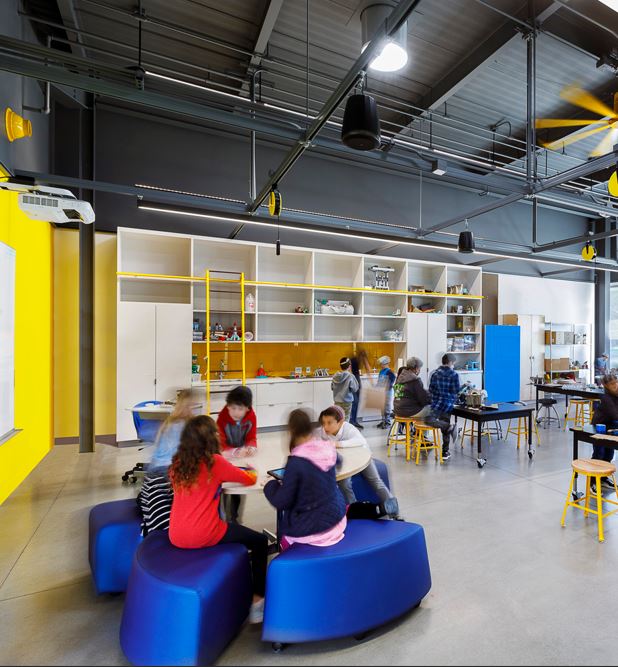
Designing for a Range of Learners
An ADHD-supportive classroom is ultimately a more responsive classroom. Strategies such as reducing glare, avoiding excessive visual contrast, providing comfortable daytime light and allowing lighting conditions to adapt to different activities can benefit many students, not only those with ADHD.
Thoughtful daylighting is one component of a broader approach to supportive learning environments. By prioritizing visual comfort, appropriate daytime light exposure and flexible lighting conditions, designers can create classrooms that better accommodate a range of sensory and attentional needs.
Design note: Lighting needs vary by individual. Daylighting strategies should be coordinated with educational, accessibility, architectural and lighting-design requirements for each project.