
Building Designs Reimagined: Daylight Where Classrooms Need It Most
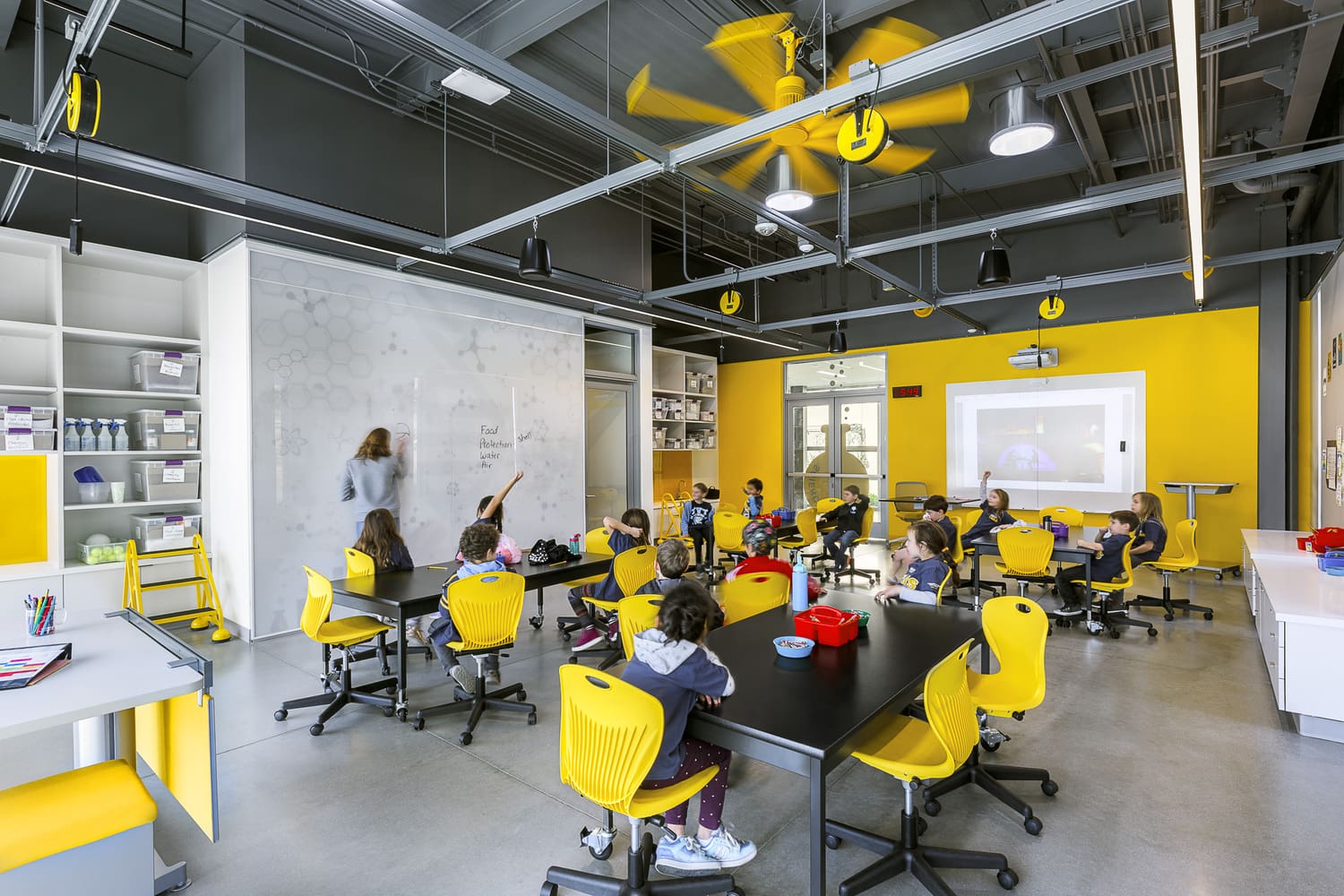
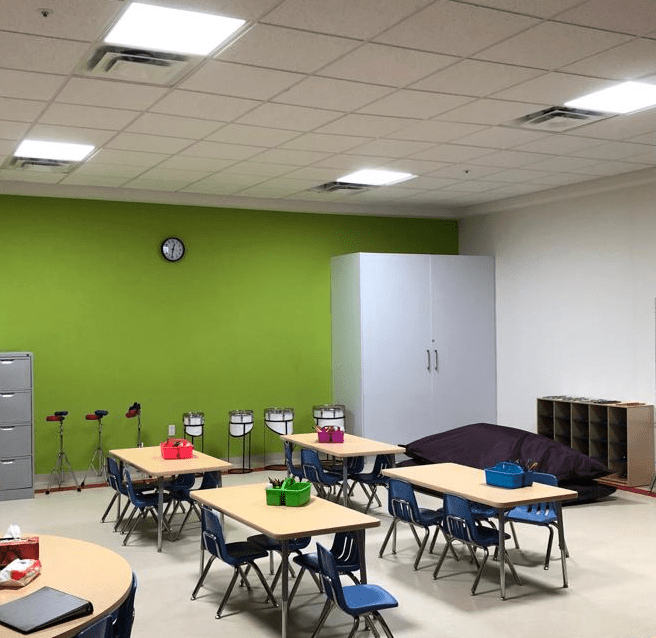
Classrooms are some of the most demanding spaces in a school building. Students need consistent, comfortable lighting for reading, writing, and screen-based learning—often for long stretches of the day. Yet many classrooms are constrained by building layout: interior rooms may sit far from perimeter walls, and windows can introduce glare and unwanted heat gain.
Tubular daylighting offers a practical way to deliver high-quality natural light deep into learning environments, including spaces with little or no access to the building perimeter. By capturing daylight at the roof and transferring it through highly reflective tubing to a controlled diffuser at ceiling level, tubular daylighting can help designers and schools create bright, comfortable classrooms that support both performance and wellbeing.
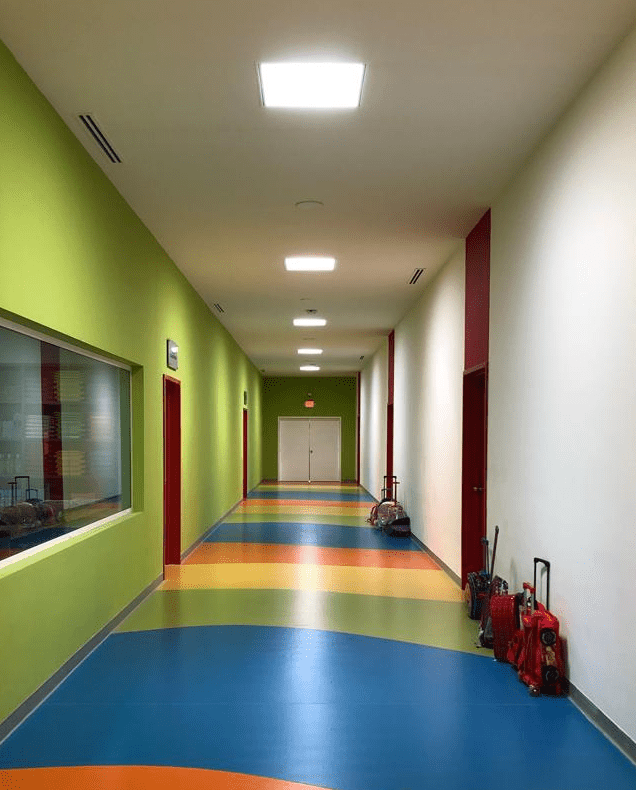
When the perimeter isn’t available, daylight often disappears
In many school designs—especially multi-story buildings, secure campuses, renovations, or large floorplates—classrooms may be positioned away from exterior walls. Even where windows exist, glazing areas can be constrained by site boundaries, neighboring buildings, safety requirements, or acoustic needs.
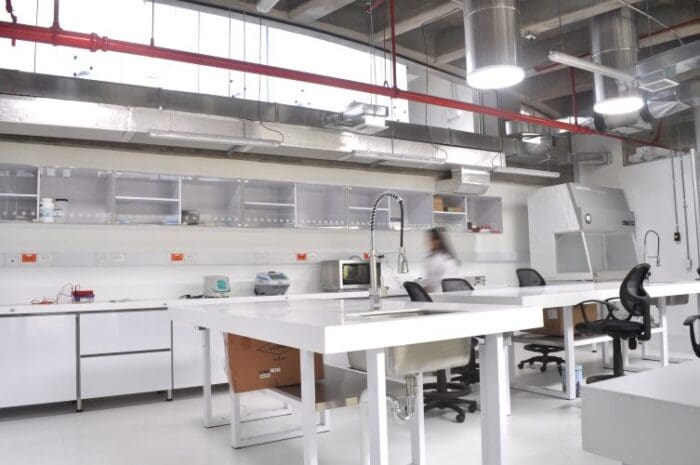
Glare: daylight is only helpful when it’s comfortable
Anyone who has spent time in a classroom knows the reality: direct sun on desks, whiteboards, or screens can create harsh visual conditions, distraction, and discomfort. When glare becomes a problem, blinds come down—and the space often shifts back to full electric lighting.
Tubular daylighting is designed to deliver daylight in a diffused, evenly distributed way at the ceiling plane, which can help reduce the likelihood of direct glare compared to uncontrolled sunlight entering through windows or traditional skylights. This matters in learning environments where visual comfort supports attention, calm, and task performance.
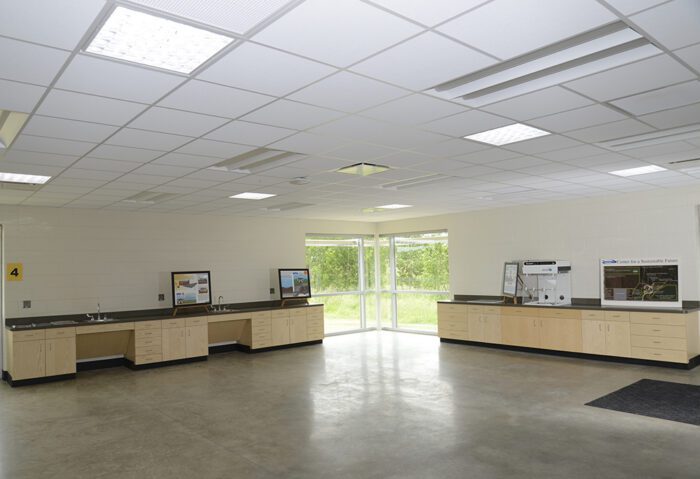
Thermal performance: delivering daylight without the “hot spot” problem
Traditional daylight openings can introduce solar heat gain that affects comfort and increases HVAC load—especially in warmer climates or in rooms with high occupancy density. In schools, where schedules and budgets are tight, spaces that overheat tend to trigger a familiar response: shades drawn, lights turned on, HVAC pushed harder.
Tubular daylighting helps limit this tradeoff by using a small roof aperture and engineered components intended to manage heat transfer while still delivering useful daylight to the room. The result is a daylighting strategy that can support energy goals without creating the same “solar hot spot” challenges that can come with larger glazed areas.
Dimming and control: consistent light levels for learning tasks
Classrooms need flexibility. Morning light, midday sun, cloudy conditions, and seasonal shifts all affect light levels—yet teachers need predictable, comfortable illumination for lessons, reading, exams, and presentations.
A strong classroom daylighting strategy includes control, whether that’s the ability to moderate incoming daylight or coordinate daylight with electric lighting. Tubular daylighting systems can be paired with dimming/shading accessories and lighting controls so schools can maintain consistent target illumination levels as daylight changes, rather than swinging between “too bright” and “not enough.”
The human benefits: why daylight matters in classrooms
Daylight is more than an energy strategy—it’s increasingly viewed as a learning-support strategy. Research has linked access to daylight with outcomes that matter in schools, including improved alertness, mood, and cognitive performance.
One of the most widely referenced findings in this area comes from analyses of student performance that reported higher standardized test scores in classrooms with more daylight exposure.
A National Renewable Energy Laboratory (NREL) summary of daylighting in schools also highlights evidence connecting daylight to student performance and health outcomes.
While every school is different—and outcomes depend on many factors—these findings reinforce an important point: lighting quality is part of the learning environment. When classrooms are bright, visually comfortable, and thermally stable, students are better positioned to concentrate, stay engaged, and feel well throughout the day.
Designing tubular daylighting for classrooms: practical takeaways
To get the best results in learning environments, tubular daylighting should be planned like any other performance system:
• Prioritize visual comfort: use layout strategies that support uniform illumination and reduce glare risk.
• Coordinate with HVAC and roof design early: integrate routes, penetrations, and roof build-ups as part of the core design.
• Plan for controls: align daylight delivery with electric lighting zones and consider dimming/shading solutions.
• Target interior opportunity zones: focus on classrooms and learning areas that lack perimeter access or depend heavily on electric lighting.
Daylight that supports learning—where it’s needed most
Classrooms deserve daylight that works: comfortable, consistent, and controllable, without creating glare or thermal penalties that force teachers to “fight the space.” Tubular daylighting is a powerful option for schools looking to improve learning environments—especially where building geometry or site constraints limit traditional daylight access.
When designed well, it delivers more than illumination. It helps create classrooms that feel better to be in—and that can support the conditions students need to focus, thrive, and perform.